Menu


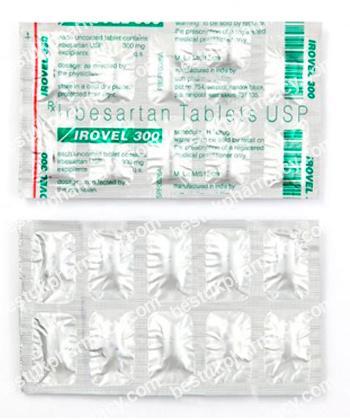
Avapro (irbesartan) is an angiotensin II receptor antagonist (angiotensin receptor blocker, ARB) indicated for the treatment of essential hypertension in adults, and for the renal protection in adult patients with hypertension and type 2 diabetes mellitus with evidence of nephropathy, including proteinuria. It works by selectively blocking the binding of angiotensin II to the AT1 receptor in various tissues, including the adrenal gland, vascular smooth muscle, and kidney. This inhibition prevents angiotensin II-mediated vasoconstriction, aldosterone secretion, and sodium reabsorption, resulting in vasodilation, reduced peripheral vascular resistance, and blood pressure lowering. In the kidney, irbesartan reduces intraglomerular pressure and limits proteinuria, slowing the progression of diabetic nephropathy.
Usual adult dose: For hypertension, the usual recommended initial and maintenance dose is 150 mg once daily, with or without food. In patients whose blood pressure is inadequately controlled at this dose, the total daily dose may be increased to 300 mg once daily. For diabetic nephropathy in hypertensive patients with type 2 diabetes, the recommended target maintenance dose is 300 mg once daily, titrated from 150 mg once daily as tolerated. The full antihypertensive effect is typically attained within 4 to 6 weeks of therapy. Volume depletion, such as that caused by high-dose diuretic therapy, should be corrected prior to initiation, or a lower starting dose of 75 mg once daily should be considered. No dose adjustment is required in elderly patients or in patients with mild to severe renal impairment, including those on haemodialysis, or in patients with mild to moderate hepatic impairment.
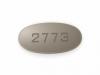
Dosage form: Film-coated tablets: 150 mg (white to off-white, oval, biconvex, debossed with a heart shape on one side and "2772" on the other) and 300 mg (white to off-white, oval, biconvex, debossed with a heart shape on one side and "2773" on the other). The tablets should be swallowed whole with a glass of water.
Onset of action: Clinically significant reductions in blood pressure are observed within 2 weeks of initiating therapy at 150 mg once daily. Maximal blood pressure reduction is usually achieved 4 to 6 weeks after starting treatment or following a dose increase to 300 mg. Irbesartan reaches peak plasma concentrations 1.5 to 2 hours after oral administration.
Duration of action: The antihypertensive effect of irbesartan is sustained over a full 24-hour period, with a trough-to-peak blood pressure response ratio of approximately 60% to 70% at the 150 mg dose and up to 80% at the 300 mg dose. The terminal elimination half-life of irbesartan is 11 to 15 hours, supporting once-daily dosing. Steady-state plasma concentrations are achieved within 3 days of repeated administration.
Alcohol recommendation: Alcohol consumption should be limited or avoided during treatment with Avapro. Alcohol may enhance the blood pressure-lowering effect of irbesartan and increase the risk of symptomatic hypotension, particularly postural hypotension and dizziness. Furthermore, excessive alcohol intake can independently contribute to hypertension and reduce antihypertensive treatment efficacy. Patients who choose to drink should do so in moderation and be aware of potential additive hypotensive effects.
Most common side effects: Dizziness, including postural dizziness and vertigo, is the most commonly reported adverse effect. Hyperkalaemia, headache, fatigue, and musculoskeletal pain are also common. In patients with diabetic nephropathy, the incidence of hyperkalaemia is increased, and serum potassium levels should be monitored, particularly when co-administered with potassium-sparing diuretics, potassium supplements, or salt substitutes containing potassium. Orthostatic hypotension may occur, especially in volume-depleted patients or those receiving concomitant diuretic therapy. Angioedema, while rare, is a recognised class effect of ARBs and requires immediate discontinuation and medical attention.
Would you like to try Avapro (Irbesartan) without a prescription?


| Country | Shipping method | Delivery time | Price | |
|
|
 Delivery Delivery |
14-21 days | 14.95$ | Tracking# available in 4 days |
 Delivery Delivery |
9-14 days | 30$ | Tracking# available in 2 days |
At our pharmacy, you can buy Avapro without a prescription, with discreet and anonymous packaging delivered within 5-14 days across the UK.
Avapro contains irbesartan, an angiotensin II receptor blocker (ARB) used to treat hypertension and to protect the kidneys in patients with type 2 diabetes and nephropathy. It lowers blood pressure by blocking the action of angiotensin II, a hormone that constricts blood vessels and drives aldosterone release. The result is vasodilation, reduced sodium and water retention, and a drop in blood pressure. It is not a cure for hypertension. It is a daily medication that keeps pressure in a safe range for as long as you take it.
The usual starting dose for hypertension is 150 mg once daily. If blood pressure is not adequately controlled after a few weeks, the dose can be increased to 300 mg once daily. In diabetic nephropathy, the target maintenance dose is 300 mg once daily, titrated up from 150 mg over a couple of weeks. Avapro comes as tablets in two strengths, 150 mg and 300 mg. It can be taken with or without food, and it does not need to be timed around meals. The antihypertensive effect peaks around 3 to 6 hours after a dose and lasts a full 24 hours, which is why once-daily dosing works.
Irbesartan blocks the AT1 receptor, the receptor through which angiotensin II does most of its damage. Angiotensin II binds to AT1 receptors on vascular smooth muscle, causing vasoconstriction. It also stimulates aldosterone secretion from the adrenal cortex, which makes the kidneys hold onto sodium and water while dumping potassium. Block that receptor, and the vessels relax, sodium excretion increases, and potassium is conserved. The effect is a predictable reduction in systemic vascular resistance and blood pressure.
Unlike ACE inhibitors, ARBs do not block the breakdown of bradykinin. That is clinically relevant. The dry cough that affects roughly 5% to 20% of patients on an ACE inhibitor does not happen with irbesartan. For someone who has been coughing for months on ramipril and had it dismissed as a postnasal drip, switching to an ARB can be a quiet revelation. Angioedema is also far less common with ARBs, though it has been reported rarely, particularly in patients who previously had angioedema on an ACE inhibitor.
Irbesartan has good oral bioavailability at 60% to 80%, and food does not meaningfully affect absorption. It is metabolised by CYP2C9, with a half-life of 11 to 15 hours. The drug reaches steady state within 3 days. Renal excretion accounts for a minor portion of clearance, so dose adjustment in renal impairment is not required for most patients. In volume-depleted patients or those on high-dose diuretics, starting at 75 mg can prevent the first-dose hypotension that sometimes happens when the renin-angiotensin system is already activated.
Take one tablet daily, at roughly the same time. Morning or evening does not matter pharmacologically, but morning dosing makes it easier to remember and aligns with the natural circadian blood pressure peak. If you measure your blood pressure at home, take it before the next dose is due, which gives the trough reading. That is the number that matters for long-term risk.
If you forget a dose, take it as soon as you remember. If it is nearly time for the next one, skip the missed dose. Do not take two tablets to catch up. Doubling a 300 mg dose to 600 mg will not cause a crisis in most people, but it can drop your blood pressure enough to make you dizzy on standing, and the effect on potassium is not something to gamble with.
If you are taking it for hypertension, the full effect on blood pressure takes 2 to 4 weeks to develop. If you are taking it for diabetic nephropathy, you will not feel it working. The endpoint is a slower decline in kidney function over years, measured by eGFR and proteinuria, not how you feel day to day. That makes adherence harder because the benefit is invisible. Do not stop it because your blood pressure is normal. The normal pressure means it is working.
Irbesartan is one of the better-tolerated antihypertensives. The most common side effect is dizziness, particularly in the first week or two as blood pressure drops. This is more likely if you are also on a diuretic or if your pre-treatment pressure was very high and falls rapidly. Rising slowly from sitting or lying down helps. If dizziness persists, your dose or the timing of other antihypertensives may need adjusting.
Hyperkalaemia is the side effect that clinicians watch for. By blocking aldosterone, ARBs reduce potassium excretion. In someone with normal kidneys, the rise is usually small, 0.2 to 0.5 mmol/L. In someone with reduced kidney function, particularly if they are also taking a potassium-sparing diuretic like spironolactone or a potassium supplement, potassium can climb into dangerous territory. Above 6.0 mmol/L, the risk of cardiac arrhythmia becomes real. Serum potassium and renal function should be checked within a few weeks of starting and periodically thereafter.
Fatigue, headache, and mild gastrointestinal upset occur in a small percentage of patients, usually transiently. Orthostatic hypotension can occur, particularly in older patients or those who are volume-depleted. Muscle cramps and back pain show up in the prescribing information, though the causal link is not strong. Angioedema is very rare but has been reported. Swelling of the face, tongue, or throat demands immediate medical attention, even if it seems mild at first.
Pregnancy is an absolute contraindication. ARBs are fetotoxic in the second and third trimesters. They cause foetal renal failure, oligohydramnios, and skull ossification defects. The mechanism is direct: the foetal kidney depends on the renin-angiotensin system for development, and blocking it causes irreversible damage. Any woman of childbearing potential on irbesartan should be using reliable contraception and should stop the drug immediately if pregnancy is suspected. The switch to an alternative antihypertensive should happen before conception if pregnancy is planned.
Bilateral renal artery stenosis, or stenosis in a solitary kidney, is another contraindication. The kidney in this situation is perfused under high pressure driven by angiotensin II. Blocking the AT1 receptor can precipitate acute renal failure. If a patient with known renovascular disease starts an ARB and their creatinine rises sharply within days, the drug is stopped and the diagnosis of renal artery stenosis is revisited.
Patients with severe heart failure or who are volume-depleted from diuretics should start at a low dose, 75 mg, because their blood pressure is being maintained by an activated renin-angiotensin system. Removing that support too quickly causes hypotension and can worsen renal function. The same applies to patients with hyponatraemia or those who have recently had vomiting or diarrhoea. Correct the volume depletion first, then start the ARB cautiously.
Older adults do not need a dose adjustment based on age alone, but they are more likely to have multiple conditions and medications that complicate matters. Starting at 75 mg or 150 mg and titrating slowly is a reasonable approach. Postural hypotension is more dangerous in an 80-year-old with poor balance than in a 40-year-old with uncomplicated hypertension. The goal is the same, reduce cardiovascular risk, but the path to the target dose may be slower.
Irbesartan itself does not impair alertness or coordination. Driving is fine for most people. The exception is during the first week of treatment or after a dose increase. If you feel dizzy or lightheaded, do not drive until it settles. A hypotensive episode behind the wheel is avoidable by paying attention to how you feel in the first few days.
Alcohol in moderation, one to two standard drinks, is generally acceptable. Larger amounts cause vasodilation and can drop blood pressure further, which adds to the hypotensive effect of irbesartan. The result is dizziness, sometimes nausea, and an increased risk of fainting. Regular heavy drinking also raises blood pressure over the long term, which undermines the point of treatment. If you are taking irbesartan for hypertension, a stable, moderate approach to alcohol makes sense.
The interaction that matters most is with other drugs that raise potassium. Potassium-sparing diuretics like spironolactone and eplerenone, potassium supplements, and salt substitutes that contain potassium chloride all increase the risk of hyperkalaemia when combined with an ARB. If a patient genuinely needs spironolactone and irbesartan together, for example in heart failure with reduced ejection fraction, potassium must be monitored closely, and the doses of both drugs should be as low as is effective.
NSAIDs, including ibuprofen, naproxen, and diclofenac, reduce the antihypertensive effect of ARBs and increase the risk of renal impairment. They cause sodium and water retention and reduce renal blood flow by inhibiting prostaglandin synthesis. In someone with normal kidneys and no other risk factors, occasional short-term use is unlikely to cause harm. In an older patient with diabetes and reduced renal function, regular NSAID use can precipitate acute kidney injury. Paracetamol is a safer choice for analgesia.
Lithium levels rise when ARBs are introduced because reduced sodium reabsorption in the proximal tubule increases lithium reabsorption. Lithium toxicity is serious. Lithium levels should be checked before starting irbesartan and monitored more frequently for the first few weeks. The lithium dose may need to be reduced.
Diuretics and other antihypertensives have an additive effect with irbesartan. This is often intentional. Irbesartan combined with hydrochlorothiazide is a standard fixed-dose combination for hypertension. The risk is stacking too many agents too quickly and dropping blood pressure below the autoregulatory range for the kidneys and brain. Titration should be gradual.
Within the ARB class, irbesartan's alternatives are losartan, candesartan, valsartan, telmisartan, and olmesartan. They all block the AT1 receptor. The differences are in half-life, bioavailability, and the extent of evidence for specific indications. Losartan has an added uricosuric effect that lowers uric acid. Valsartan has strong heart failure data. Candesartan is also well-studied in heart failure. Telmisartan has the longest half-life, which may provide more consistent 24-hour blood pressure control. Irbesartan is often chosen for diabetic nephropathy because the IDNT and IRMA-2 trials specifically demonstrated renal protection with irbesartan in type 2 diabetes.
ACE inhibitors, ramipril, lisinopril, perindopril, are the first-line alternative class. They are as effective as ARBs for hypertension and have an older and larger body of evidence. The cough and angioedema risk are the main reasons to choose an ARB instead. For a patient who has never taken either, an ACE inhibitor is usually tried first in the UK because it is cheaper and the data are deeper. If cough develops, switch to an ARB.
Calcium channel blockers like amlodipine are another first-line option for hypertension. They work by a completely different mechanism and can be combined with an ARB for additive effect. Beta-blockers are no longer first-line for uncomplicated hypertension but have a role in patients with concurrent angina, heart failure, or post-myocardial infarction.
For diabetic nephropathy specifically, SGLT2 inhibitors like dapagliflozin and empagliflozin have emerged as additional renoprotective agents. They are used on top of an ARB or ACE inhibitor, not instead of it. Finerenone, a non-steroidal mineralocorticoid receptor antagonist, is another recent addition for reducing renal and cardiovascular risk in diabetic kidney disease. The landscape has expanded, but the ARB remains the foundation.
INN (International Nonproprietary Name): Irbesartan
Available brand names in the UK: Avapro, Aprovel, Karvea, and multiple generic irbesartan products
ATC code: C09CA04
Forms and strengths: Tablets: 75 mg, 150 mg, 300 mg; Fixed-dose combinations with hydrochlorothiazide: 150 mg/12.5 mg, 300 mg/12.5 mg, 300 mg/25 mg
Manufacturers: Sanofi (Avapro, Aprovel), Bristol-Myers Squibb (Karvea), and diverse generic manufacturers including Teva, Sandoz, Mylan, Accord
Registration status in the UK: Registered as a Prescription Only Medicine (POM). Generic irbesartan is widely available in UK pharmacies.
Classification: Prescription Only Medicine (POM)
The 150 mg tablet is the standard starting dose for hypertension. The 300 mg tablet is the target for diabetic nephropathy and for hypertension that has not responded to the lower dose. The 75 mg tablet exists for patients who need a gentler start, those on high-dose diuretics, the elderly, or patients with hepatic impairment, though irbesartan is not primarily hepatically cleared.
The fixed-dose combination with hydrochlorothiazide simplifies the pill regimen when a single drug is not enough. Instead of taking irbesartan 300 mg and a separate hydrochlorothiazide 12.5 mg, one tablet covers both. This matters for adherence. Each additional pill in a regimen reduces the likelihood it will be taken consistently. The combination is usually introduced after the individual components have been titrated, not as first-line therapy, though some clinicians start with the combination if the baseline blood pressure is high enough to need two drugs from the outset.
Generic irbesartan is as effective as Avapro and significantly less expensive for the NHS. The switch from brand to generic is routine in UK practice. If a patient has been stable on Avapro and is switched to a generic, the blood pressure response should be identical. If it is not, consider adherence or a change in other factors, salt intake, weight, NSAID use, before blaming the generic.
How long does it take for Avapro to lower blood pressure?
Some reduction can be seen within hours of the first dose, with a peak effect around 3 to 6 hours. The full antihypertensive effect develops over 2 to 4 weeks. Do not decide the dose is wrong after three days. Titrate slowly and measure blood pressure consistently, at the same time of day, under the same conditions.
Will I need blood tests on Avapro?
Yes. Renal function and potassium should be checked before starting, within 2 to 4 weeks of starting or increasing the dose, and at least annually once stable. If you are taking other medications that affect potassium or kidney function, or if you have pre-existing renal impairment, monitoring should be more frequent. This is not optional. Hyperkalaemia is silent until it causes an arrhythmia.
Can I stop Avapro if my blood pressure is normal?
No. Normal blood pressure on treatment means the drug is doing its job. Stopping it will return your blood pressure to its untreated level, which for most people with hypertension is high enough to increase the risk of stroke, myocardial infarction, and kidney damage over time. Hypertension is a chronic condition. Treatment is long term.
Does Avapro cause weight gain?
Weight gain is not a recognised side effect of irbesartan. It is metabolically neutral. If you gain weight while taking it, look at other medications, diet, and activity. Fluid retention can occur if renal function declines, but this is a sign of a problem, not a routine effect of the drug.
Can I take Avapro if I am trying to conceive?
If you are actively trying to conceive, discuss switching to an alternative antihypertensive with your GP or obstetrician. ARBs should be stopped before pregnancy. The safest options in pregnancy are labetalol, nifedipine, and methyldopa. The switch should happen before conception because the damage to the foetal kidney occurs early in the second trimester, before many women know they are pregnant. If you are on irbesartan and find out you are pregnant, stop it immediately and contact your doctor.
We ship Avapro to all parts of the United Kingdom. Delivery times depend on your location:
All shipments are packed discreetly with no branding or indication of contents on the outside. At our pharmacy, you can purchase Avapro without a prescription, with delivery across the UK.


