Menu


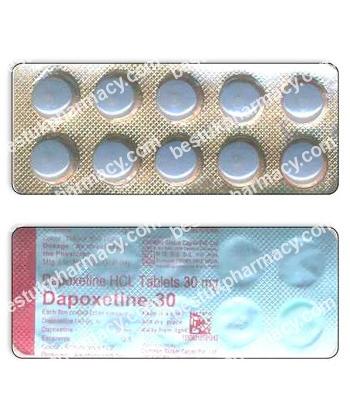
Priligy (dapoxetine hydrochloride) is a short-acting selective serotonin reuptake inhibitor (SSRI) specifically developed for the on-demand treatment of premature ejaculation in adult men aged 18 to 64 years who meet specific diagnostic criteria. Premature ejaculation is defined as persistent or recurrent ejaculation occurring with minimal sexual stimulation before, at, or shortly after penetration and before the patient wishes it, causing marked distress or interpersonal difficulty. Dapoxetine works by rapidly increasing serotonin levels in the synaptic cleft through potent inhibition of the presynaptic serotonin transporter. The resulting activation of postsynaptic 5-HT2C and 5-HT1B receptors in the spinal ejaculatory reflex centre increases the threshold for the ejaculatory reflex, thereby prolonging intravaginal ejaculatory latency time (IELT). Unlike chronic SSRIs used off-label for this condition, dapoxetine is designed for rapid absorption, fast peak plasma levels, and short half-life, making it suitable for as-needed rather than daily administration.
Usual adult dose: The recommended starting dose for all men is 30 mg taken approximately 1 to 3 hours before anticipated sexual activity. Following careful assessment of individual response and tolerability, the dose may be increased to a maximum of 60 mg if the 30 mg dose is well tolerated but provides insufficient ejaculatory delay. The 90 mg dose is not recommended for routine clinical use and is not licensed in many territories, including the UK; if it is available, it should only be considered in patients who have failed to respond to 60 mg and should be used under specialist supervision only. The maximum recommended dosing frequency is once every 24 hours, and treatment should not be used on more than two non-consecutive days per week. Dapoxetine tablets should be swallowed whole with a full glass of water, and may be taken with or without food; however, taking the dose with food may delay the time to peak concentration and reduce peak levels, potentially delaying or blunting the therapeutic effect. The medication should be taken only when sexual activity is anticipated and not as a daily maintenance therapy. Alcohol should be avoided when taking dapoxetine due to increased risk of hypotension and syncope. A careful benefit-risk assessment should be conducted after the first 4 weeks of treatment and periodically thereafter; if ejaculatory delay is not considered clinically meaningful, discontinuation should be considered.
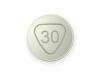
Dosage form: Film-coated tablets: 30 mg (grey, round, biconvex, debossed with "30" inside a triangle on one side) and 60 mg (dark grey, round, biconvex, debossed with "60" inside a triangle on one side). The tablets are supplied in blister packs and should not be broken or crushed before administration.
Onset of action: Dapoxetine is rapidly absorbed following oral administration, with peak plasma concentrations reached approximately 1 to 2 hours after dosing on an empty stomach. The onset of clinically significant ejaculatory delay can be observed within 1 to 2 hours of a 30 mg or 60 mg dose, with maximal effect typically coinciding with peak plasma levels. The rapid onset of action allows for flexible on-demand use before sexual activity without the need for chronic daily dosing or drug accumulation.
Duration of action: Dapoxetine has a uniquely short elimination half-life for an SSRI, with an initial half-life of approximately 1.4 hours and a terminal half-life of approximately 15 to 19 hours. This rapid clearance profile minimises the risk of drug accumulation, even with repeated on-demand dosing. The ejaculatory-delaying effect is transient and lasts for approximately 6 to 12 hours after dosing, supporting the on-demand treatment paradigm. The drug is extensively metabolised by CYP3A4 and CYP2D6, and is eliminated primarily as metabolites in the urine. Steady state is not achieved with intermittent dosing, and no significant accumulation occurs even with twice-weekly use.
Alcohol recommendation: Alcohol consumption must be completely avoided when taking dapoxetine. Concomitant alcohol intake significantly increases the risk of orthostatic hypotension, syncope, and related injuries. Both alcohol and dapoxetine have vasodilatory and centrally sedating effects, and the combination can lead to a clinically significant drop in blood pressure and impaired consciousness. The Summary of Product Characteristics includes a strict contraindication against consuming alcohol during treatment. Before prescribing dapoxetine, clinicians must counsel patients on this interaction, and the patient must agree to abstain from alcohol whenever they take the medication. The risk of syncope is characterised as a prodrome of prodromal symptoms including nausea, dizziness, light-headedness, and sweating; patients should be advised to lie down and seek assistance if these occur.
Most common side effects: Nausea is the most frequently reported adverse effect, occurring in approximately 11% to 20% of patients, and is dose-dependent. It is generally mild to moderate and self-limiting, most prominent during the first few doses and often diminishing with continued use. Dizziness, headache, and diarrhoea are also very common. Syncope and orthostatic hypotension are the most clinically significant adverse effects, reported with both 30 mg and 60 mg doses; the incidence is increased by concomitant alcohol intake, dehydration, or pre-existing cardiovascular risk factors. Other common side effects include insomnia, somnolence, fatigue, and irritability. Sexual function side effects, such as erectile dysfunction and reduced libido, are less common with on-demand dapoxetine compared with chronic daily SSRI therapy but have been reported. Priapism has been reported rarely with SSRIs and should be considered a urological emergency. Psychiatric adverse events, including anxiety, agitation, depressed mood, and suicidal ideation, have been reported and require careful monitoring, particularly in patients with a history of depression or other psychiatric disorders. Dapoxetine is contraindicated in patients with significant cardiac disease, including heart failure, conduction abnormalities, significant ischaemic heart disease, or valvular heart disease, due to the risk of syncope-associated cardiac compromise. Concomitant use with monoamine oxidase inhibitors, thioridazine, and other SSRIs or serotonin-noradrenaline reuptake inhibitors is contraindicated.
Would you like to try Priligy (Dapoxetine) without a prescription?


| Country | Shipping method | Delivery time | Price | |
|
|
 Delivery Delivery |
14-21 days | 14.95$ | Tracking# available in 4 days |
 Delivery Delivery |
9-14 days | 30$ | Tracking# available in 2 days |
 5 stars out of 5
5 stars out of 5
5 stars out of 5
 4 stars out of 5
4 stars out of 5
5 stars out of 5
5 stars out of 5
5 stars out of 5
5 stars out of 5
4 stars out of 5
4 stars out of 5
5 stars out of 5
4 stars out of 5
4 stars out of 5
4 stars out of 5
4 stars out of 5
5 stars out of 5
4 stars out of 5
5 stars out of 5
4 stars out of 5
4 stars out of 5
4 stars out of 5
4 stars out of 5
5 stars out of 5
5 stars out of 5
5 stars out of 5
5 stars out of 5
4 stars out of 5
4 stars out of 5
5 stars out of 5
4 stars out of 5
4 stars out of 5
4 stars out of 5
4 stars out of 5
5 stars out of 5
4 stars out of 5
5 stars out of 5
4 stars out of 5
At our pharmacy, you can buy Priligy without a prescription, with discreet and anonymous packaging delivered within 5-14 days across the UK.
Priligy contains dapoxetine, a short-acting SSRI developed specifically for premature ejaculation. It is not an antidepressant repurposed for sexual dysfunction. It was designed from the outset for this indication. The problem it treats is not a failure of willpower or a lack of experience. It is a neurobiological condition where the ejaculatory reflex fires too quickly. Dapoxetine raises the threshold for that reflex, giving men more control over when they ejaculate.
The starting dose is 30 mg taken 1 to 3 hours before anticipated sexual activity. If the response is inadequate and side effects are tolerable, the dose can be increased to 60 mg. The maximum dose is 60 mg. The 90 mg tablet is available in some markets but exceeds the licensed maximum and carries a higher risk of adverse effects without demonstrable added benefit. Priligy is taken on demand, not daily. It is not intended for continuous use. After 4 weeks or 6 doses, the response should be reviewed to decide whether treatment should continue. If the man has not gained meaningful improvement by that point, continuing is unlikely to help.
Dapoxetine is a selective serotonin reuptake inhibitor, but its pharmacokinetics are what define it. Unlike sertraline or fluoxetine, which have half-lives measured in days, dapoxetine has a half-life of about 1.5 hours. It is absorbed rapidly, peaks in the bloodstream at roughly 1 to 2 hours, and is cleared within a day. That makes it suitable for on-demand use. You take it, it raises serotonin briefly in the synaptic clefts of the spinal cord and brainstem where ejaculation is modulated, and then it is gone. You do not walk around with a sustained serotonergic effect for weeks. You take it when you need it.
The ejaculatory reflex is controlled by a complex interplay of serotonin, dopamine, and oxytocin pathways in the central nervous system. Serotonin, acting through 5-HT2C and 5-HT1A receptors, inhibits the reflex. Dapoxetine increases serotonin at these synapses and prolongs the time from penetration to ejaculation. The effect is not permanent. It does not cure premature ejaculation in the sense of permanently resetting the reflex. It treats the episode. The drug is metabolised by CYP2D6, CYP3A4, and flavin-containing monooxygenase 1. This extensive metabolism is why its half-life is so short and why drug interactions with strong CYP2D6 and CYP3A4 inhibitors are clinically significant.
Take one tablet with a full glass of water 1 to 3 hours before sex. Taking it on an empty stomach speeds absorption and reduces the risk of nausea. A heavy, fatty meal before dosing delays absorption and can push the peak effect past the window when it is needed. A light meal is acceptable. Swallow the tablet whole. Do not crush or chew it. The bitter taste of dapoxetine is difficult to mask.
Do not take more than one tablet in 24 hours. Do not take it daily as a prophylactic. The drug is designed for episodic use, no more than once per day, and ideally not more than 2 to 3 times per week. Daily use risks accumulation of the drug and its metabolites, which increases the side effect burden without improving efficacy. If you forget to take it and the opportunity for sex has passed, do not take a tablet later in the hope of a delayed effect. The drug is cleared quickly. Taking it without the context of anticipated sexual activity serves no purpose.
The first few doses should be taken in a setting where you can observe your response. Do not take your first 60 mg dose before a high-stakes sexual encounter. Take 30 mg first, see how you respond, and only increase the dose if 30 mg is inadequate and well-tolerated. Some men need 30 mg. Some need 60 mg. Some find that 30 mg is effective but causes nausea, and the solution is not a higher dose but managing the nausea with food or timing.
Nausea is the most common and most dose-limiting. It affects about 10% to 20% of men on the 30 mg dose and more on 60 mg. Taking the tablet on an empty stomach with a full glass of water reduces it. The nausea is usually mild and passes within a few hours. If it is severe or causes vomiting, the dose should be reduced to 30 mg, or the drug stopped. Dizziness and headache are next in frequency. These are vasomotor and serotonergic effects. They are usually mild and transient. Lying down for 20 minutes after taking the dose if dizziness occurs is a practical workaround.
Orthostatic hypotension, a drop in blood pressure on standing, can cause lightheadedness and, rarely, syncope. This is why the first dose should be taken in a low-risk setting. Stand up slowly after sitting or lying down for the first hour after dosing. If you feel faint, sit or lie down immediately. The vasovagal response to a sudden drop in pressure is not a sign of anaphylaxis or cardiac disease. It is a pharmacological effect of the drug. It is more likely in men who are volume-depleted, dehydrated, or taking other vasoactive drugs.
Sexual side effects are paradoxical in a drug for sexual function, but they occur. Erectile dysfunction can happen, particularly at the 60 mg dose, because serotonin can inhibit the erectile pathways as well as the ejaculatory ones. Reduced libido and delayed orgasm beyond what is desired are also reported. These effects are dose-dependent and reverse when the drug is cleared. Psychiatric effects, anxiety, agitation, insomnia, are less common but are recognised. Mood should be monitored, particularly in men with a history of depression. The drug is an SSRI, even if short-acting. The class effects do not disappear just because the half-life is short.
Men with significant cardiac disease, heart failure, conduction abnormalities, significant ischaemic heart disease, or valvular disease should not take dapoxetine. The orthostatic hypotension it causes can be dangerous in someone whose cardiac output depends on preload. A cardiac history and a sitting and standing blood pressure should be checked before prescribing.
Moderate to severe hepatic impairment is a contraindication. Dapoxetine is metabolised extensively in the liver. In cirrhosis or significant hepatic dysfunction, clearance is reduced, and the drug accumulates. The half-life can stretch from 1.5 hours to several hours, increasing the risk of serotonin toxicity. Mild hepatic impairment does not require dose adjustment, but caution is warranted.
Renal impairment does not significantly alter dapoxetine pharmacokinetics. No dose adjustment is needed in mild to moderate renal impairment. Severe renal impairment has limited data, and caution is advised. The drug is not removed by dialysis.
Men with a history of mania or bipolar disorder should not take dapoxetine. SSRIs can trigger a manic episode. The screening question about periods of elevated mood, reduced need for sleep, and impulsive behaviour is as relevant here as it is before prescribing an antidepressant. Men with a history of depression that is currently stable on an SSRI or SNRI should not add dapoxetine. The combined serotonergic load risks serotonin syndrome. A psychiatrist or GP with expertise in psychopharmacology should be involved if a man on an antidepressant needs treatment for premature ejaculation.
Older men metabolise dapoxetine more slowly. The half-life may be prolonged, and the hypotensive effect may be more pronounced. Starting at 30 mg and monitoring closely is prudent. The drug is not licensed for men under 18 or over 65. The data in these age groups are insufficient.
Dapoxetine can cause dizziness, lightheadedness, and, rarely, syncope. Do not drive within 2 hours of taking a dose until you know how it affects you. The orthostatic effect peaks around the same time as the drug's plasma concentration, 1 to 2 hours after dosing. A faint or a dizzy spell at the wheel is entirely avoidable by testing your response at home first. Once the drug has cleared, typically by the next morning, driving is not a concern.
Alcohol and dapoxetine compound each other's effects. Alcohol causes vasodilation and can lower blood pressure. Dapoxetine does the same. The result of combining a 60 mg dose with several drinks is often severe dizziness, nausea, and a significantly increased risk of syncope. The prescribing information advises avoiding alcohol entirely when taking dapoxetine. This is the safest position. In practice, one standard drink with a meal taken several hours after the dose is unlikely to cause harm for most men. More than that, and you are gambling with your consciousness during what should be an intimate moment.
Monoamine oxidase inhibitors are contraindicated. The washout period is at least 14 days after stopping an irreversible MAOI before starting dapoxetine, and at least 7 days after stopping dapoxetine before starting an MAOI. Serotonin syndrome is the concern.
Other SSRIs, SNRIs, tricyclic antidepressants, and serotonergic drugs, tramadol, fentanyl, triptans, St. John's wort, cannot be combined with dapoxetine. The risk of serotonin syndrome from combining two serotonergic agents is real. If a man is already on an antidepressant, dapoxetine is not the solution for his premature ejaculation. The antidepressant itself may be contributing to or treating the problem. The medication regimen needs review by a doctor who understands both conditions.
Potent CYP3A4 inhibitors, ketoconazole, itraconazole, ritonavir, clarithromycin, grapefruit juice in large quantities, increase dapoxetine levels significantly. The combination with a strong CYP3A4 inhibitor can push dapoxetine levels several times higher than expected, increasing the risk of orthostatic hypotension and serotonin-related side effects. These combinations should be avoided. Potent CYP2D6 inhibitors, fluoxetine, paroxetine, bupropion, quinidine, also raise dapoxetine levels. Fluoxetine is a particularly problematic combination because it is an SSRI itself and a CYP2D6 inhibitor with a long half-life. It stays in the system for weeks.
PDE5 inhibitors, sildenafil, tadalafil, vardenafil, are often used by the same population. The combination of dapoxetine and a PDE5 inhibitor causes additive orthostatic hypotension. If a man is taking both, he should be stable on each individually before combining them, and the lowest effective doses of both should be used. Starting dapoxetine at 30 mg and a PDE5 inhibitor at 25 mg of sildenafil or 5 mg of tadalafil is sensible. The combination should be tested in a safe setting first. The risk of syncope is higher when both drugs are on board.
Topical local anaesthetics, lidocaine or prilocaine spray, are applied to the glans penis before intercourse. They reduce sensation and delay ejaculation. They are available over the counter in the UK. The downside is penile numbness and potential transfer to the partner, which causes vaginal numbness. This can be managed with a condom or by washing the anaesthetic off before penetration.
Behavioural techniques, the stop-start method and the squeeze technique, have been taught for decades. They require practice and a cooperative partner. The evidence for their long-term efficacy is modest, but they have no side effects and no cost. For a motivated couple, they are a reasonable first step. Psychosexual therapy addresses the psychological factors that maintain premature ejaculation. Performance anxiety, relationship difficulties, and conditioned rapidity of arousal can be modified with structured therapy. NHS provision is limited and waiting lists are long, but the benefit can be lasting.
Tramadol, an opioid analgesic with serotonergic activity, is used off-label for premature ejaculation. It delays ejaculation effectively, but the risk of dependence and the side effect profile make it a second-line or third-line option. It should only be used under specialist supervision. Daily SSRI treatment with sertraline, paroxetine, or fluoxetine is an off-label approach for men who prefer continuous treatment. Paroxetine is the most effective SSRI for delaying ejaculation, but it has the highest burden of sexual side effects and the worst discontinuation syndrome. The choice between on-demand dapoxetine and daily paroxetine depends on the frequency of sexual activity, the tolerability of daily medication, and the side effect priorities of the individual.
INN (International Nonproprietary Name): Dapoxetine hydrochloride
Available brand names in the UK: Priligy, and generic dapoxetine products
ATC code: G04BX14
Forms and strengths: Tablets: 30 mg, 60 mg. The 90 mg strength is available in some markets but is not licensed in the UK and exceeds the recommended maximum dose.
Manufacturers: Menarini (Priligy), and diverse generic manufacturers including Teva, Accord, Zentiva
Registration status in the UK: Registered as a Prescription Only Medicine (POM). Priligy is available on private prescription and through specialist services. It is not routinely available on the NHS in all regions.
Classification: Prescription Only Medicine (POM)
The 30 mg tablet is the starting dose. It is effective for a significant proportion of men and has a lower side effect burden. The 60 mg tablet is for men who have tried 30 mg, found it inadequate, and tolerated it without significant side effects. The 90 mg tablet is not recommended. The licensed maximum is 60 mg. Doses above 60 mg increase the risk of nausea, dizziness, and syncope without clear evidence of additional benefit. If 60 mg is not effective, the next step is not a higher dose of dapoxetine. It is a review of the diagnosis, consideration of alternative treatments, or referral to a specialist.
Generic dapoxetine and branded Priligy are bioequivalent. The tablets are small, film-coated, and swallowed whole. There is no oral jelly or dispersible formulation. If swallowing tablets is difficult, dapoxetine may not be the right choice. The short half-life and on-demand dosing mean that adherence is event-based, not daily. This suits men who have intermittent sexual activity and do not want the commitment or side effects of a daily pill.
How quickly does Priligy work?
Peak plasma concentration is reached 1 to 2 hours after dosing. The effect on ejaculatory latency is maximal within that window. Taking the tablet 1 to 3 hours before sex covers the period of greatest effect. If you take it too early, the effect wanes. If you take it too late, the peak has not yet arrived. Timing matters.
Can I take Priligy every day?
It is not designed for daily use. The half-life is 1.5 hours. The drug is cleared quickly. Daily dosing risks accumulation of metabolites and increased side effects. If you need continuous treatment for premature ejaculation, a daily SSRI like paroxetine or sertraline, used off-label, is a more appropriate pharmacological strategy. Discuss this with your doctor.
Will Priligy cure my premature ejaculation?
It treats the symptom while the drug is active. It does not permanently reset the ejaculatory reflex. Some men find that after a period of successful treatment, their confidence improves and their ejaculatory control persists even without the drug. This is a psychological benefit of pharmacological treatment, not a direct neurobiological cure. If you stop the drug, the reflex will return to its baseline in most cases.
What if I feel faint after taking Priligy?
Lie down immediately. The orthostatic hypotension is transient and will pass. If you are with a partner, tell them what is happening. Do not try to push through it. If you faint, you will recover, but falling from standing can cause injury. The risk is higher if you are dehydrated, have been drinking, or are in a hot environment. The first dose should always be taken at home, not in a hotel room with a new partner.
Can I take Priligy with Viagra?
The combination is sometimes used, but it must be approached with caution. Both drugs lower blood pressure. Start with the lowest dose of each, 30 mg dapoxetine and 25 mg sildenafil, and test the combination in a safe setting before using it in a partner context. The risk of orthostatic hypotension and syncope is real. A man with normal blood pressure and no cardiac disease is at lower risk, but not zero risk. Do not add alcohol to this combination.
We ship Priligy to all parts of the United Kingdom. Delivery times depend on your location:
All shipments are packed discreetly with no branding or indication of contents on the outside. At our pharmacy, you can purchase Priligy without a prescription, with delivery across the UK.


