Menu


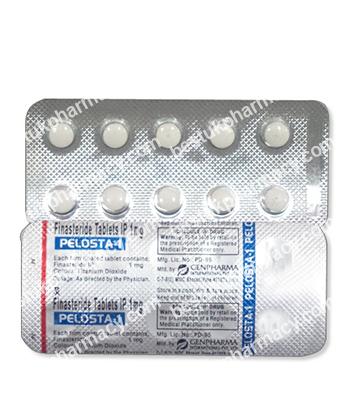
Propecia (finasteride) is a specific inhibitor of type II 5-alpha-reductase, indicated for the treatment of male pattern hair loss (androgenetic alopecia) in men aged 18 to 41 years. It works by selectively and competitively inhibiting the intracellular enzyme type II 5-alpha-reductase, which is responsible for the peripheral conversion of testosterone to dihydrotestosterone (DHT) in the scalp, liver, and prostate gland. In the hair follicles of men with androgenetic alopecia, elevated levels of DHT bind to androgen receptors in genetically susceptible follicles, initiating a process of progressive miniaturisation of hair follicles, shortening of the anagen (growth) phase, and eventual follicular senescence. By reducing serum and scalp DHT concentrations by approximately 60% to 70%, finasteride interrupts this pathogenic cascade, promoting the reversal of follicular miniaturisation and increasing hair count, hair weight, and visible hair coverage. Propecia is effective in preventing further hair loss and stimulating partial hair regrowth on the vertex and anterior mid-scalp, but its efficacy on bitemporal recession has not been established.
Usual adult dose: The recommended dose is 1 mg once daily. Propecia may be taken with or without food, and should be swallowed whole with a glass of water. Continuous daily use is necessary to maintain and optimise the therapeutic response; cessation of treatment results in a gradual reversal of the beneficial effects, with hair loss resuming within 6 months and returning to baseline by 9 to 12 months post-discontinuation. The 5 mg formulation (Proscar) is indicated for benign prostatic hyperplasia and should not be substituted for Propecia; however, some clinicians may use off-label divided 5 mg tablets in men with hair loss who require a higher dose, though this is not licensed and is rarely indicated. Patients should be informed that visible improvement may take 3 to 6 months of continuous treatment, and the full extent of response can require 12 months or longer. Efficacy should be reassessed at 12 months; if no improvement is observed, treatment should be reconsidered and alternative diagnoses explored. Finasteride is not indicated for use in women, particularly women of childbearing potential, because of the teratogenic risk to a male foetus; women who are pregnant or may become pregnant must avoid handling crushed or broken finasteride tablets.
Dosage form: Film-coated tablets: 1 mg (tan to reddish-brown, round, biconvex, debossed with a "P" logo on one side and "PROPECIA" on the other). The 5 mg tablet (blue, capsule-shaped, film-coated, debossed with "MSD 72" on one side and a score line on the other) is marketed under the brand name Proscar and is intended for benign prostatic hyperplasia. Propecia 1 mg tablets should not be split or crushed.
Onset of action: Finasteride produces a rapid reduction in serum DHT levels, with maximum suppression occurring within 24 hours of the first dose. Scalp DHT levels decline in parallel. However, the clinical effects on hair growth are delayed due to the physiological requirements of the hair cycle. Increased hair counts and visible improvements in hair density may be observed after 3 to 6 months of continuous daily treatment. In clinical trials, a statistically significant increase in hair count compared with placebo was demonstrated at 6 months, with progressive improvement through 12 months and sustained benefit over 5 years of continuous use. Patients should be counselled that treatment will not reverse long-established baldness and that the best results are obtained in men with recent-onset, mild to moderate vertex hair loss.
Duration of action: The elimination half-life of finasteride is approximately 6 to 8 hours in men aged 18 to 60 years, and approximately 8 hours in elderly men. Despite this short plasma half-life, the pharmacodynamic half-life for 5-alpha-reductase inhibition is considerably longer, as finasteride forms a slowly reversible complex with the enzyme, leading to sustained suppression of DHT levels for 4 to 7 days following a single dose. Tissue-bound enzyme inhibition allows for sustained therapeutic effect with once-daily dosing. After discontinuation of treatment, DHT levels return to baseline within 2 weeks, and hair loss resumes over the subsequent months.
Alcohol recommendation: There is no known clinically significant pharmacokinetic or pharmacodynamic interaction between finasteride and alcohol. Moderate alcohol consumption is not contraindicated during treatment with Propecia. However, chronic excessive alcohol consumption may have indirect effects on hair health through nutritional deficiencies, hormonal disturbances, and hepatic dysfunction. Alcohol-induced liver disease may impair the metabolism of finasteride, which is extensively metabolised in the liver via CYP3A4, though the clinical relevance of this interaction is minimal. Patients should be advised to drink alcohol in moderation and to maintain a balanced diet to support overall hair and scalp health during treatment.
Most common side effects: Finasteride is generally well tolerated, and the most commonly reported adverse effects are related to sexual function. These include decreased libido, erectile dysfunction, and ejaculatory dysfunction, including reduced ejaculatory volume. In clinical trials, these effects were reported in 1.8% of men treated with finasteride compared with 1.3% of those receiving placebo, and in many cases, they resolved with continued treatment. However, post-marketing reports have described persistent sexual dysfunction in a subset of men after discontinuation of finasteride, including persistent erectile dysfunction, reduced libido, and orgasmic dysfunction; this constellation of symptoms has been termed "post-finasteride syndrome" and remains a subject of ongoing scientific investigation and regulatory review. Other reported side effects include breast tenderness and gynaecomastia, which are uncommon and generally resolve upon discontinuation. Allergic reactions, including rash and pruritus, have been reported. Testicular pain and infertility with impaired semen quality have been reported rarely. Finasteride is associated with a reduction in serum prostate-specific antigen (PSA) levels by approximately 50% after 6 to 12 months of treatment; an appropriate correction factor should be applied when interpreting PSA results in men taking finasteride to avoid masking the detection of prostate cancer. An increased incidence of high-grade prostate cancer has been observed in men taking 5-alpha-reductase inhibitors, and all men over 50 years or at increased risk should undergo appropriate prostate cancer screening before and during treatment.
Would you like to try Propecia (Finasteride) without a prescription?


| Country | Shipping method | Delivery time | Price | |
|
|
 Delivery Delivery |
14-21 days | 14.95$ | Tracking# available in 4 days |
 Delivery Delivery |
9-14 days | 30$ | Tracking# available in 2 days |
 5 stars out of 5
5 stars out of 5
5 stars out of 5
 4 stars out of 5
5 stars out of 5
5 stars out of 5
5 stars out of 5
5 stars out of 5
5 stars out of 5
5 stars out of 5
4 stars out of 5
5 stars out of 5
5 stars out of 5
4 stars out of 5
5 stars out of 5
5 stars out of 5
4 stars out of 5
4 stars out of 5
5 stars out of 5
5 stars out of 5
4 stars out of 5
4 stars out of 5
5 stars out of 5
5 stars out of 5
5 stars out of 5
5 stars out of 5
5 stars out of 5
5 stars out of 5
4 stars out of 5
5 stars out of 5
5 stars out of 5
4 stars out of 5
5 stars out of 5
5 stars out of 5
4 stars out of 5
4 stars out of 5
5 stars out of 5
5 stars out of 5
4 stars out of 5
At our pharmacy, you can buy Propecia without a prescription, with discreet and anonymous packaging delivered within 5-14 days across the UK.
Propecia contains finasteride at a 1 mg dose, used specifically for male pattern baldness, androgenetic alopecia. It is not a hair growth stimulant in the way minoxidil is. It works upstream, blocking the conversion of testosterone to dihydrotestosterone (DHT) in the scalp and prostate. DHT is the androgen that miniaturises hair follicles on the crown and temples of genetically susceptible men. Reduce DHT, and that miniaturisation slows, stops, and in some cases reverses enough for visible regrowth. The 1 mg dose is for hair loss. The 5 mg dose, marketed as Proscar, is for benign prostatic hyperplasia. They are the same drug at different strengths. Some men buy the 5 mg tablet and split it into quarters to save money. That is common, but it is off-label and the accuracy of splitting varies.
The standard dose is 1 mg once daily. It can be taken with or without food. Results take time. The hair growth cycle operates over months, not days. Shedding may increase in the first 3 to 6 months as dormant follicles shift into the anagen phase. This is not a sign the drug is not working. It is a sign the follicles are responding. Visible stabilisation of hair loss takes 3 to 6 months. Regrowth, if it occurs, takes 6 to 12 months. The drug must be continued indefinitely. Stop it, and any hair maintained or regrown will be lost within 6 to 12 months as DHT levels return to baseline.
Finasteride is a competitive inhibitor of type II 5-alpha-reductase. This enzyme converts testosterone to DHT in the scalp, prostate, and liver. Type II is the predominant isoform in the hair follicle and prostate. By inhibiting it, finasteride reduces serum DHT by about 70% and scalp DHT by a similar amount. Testosterone levels rise by about 10% to 20% as a compensatory response, because the testosterone that would have been converted remains as testosterone. Oestradiol levels can rise slightly due to aromatisation of the excess testosterone, which accounts for some of the drug's side effects.
The drug is absorbed well orally, with bioavailability around 65% to 80%. Food does not significantly affect absorption. Peak plasma levels occur 1 to 2 hours after dosing. The half-life is about 6 to 8 hours in men with normal renal function, but the tissue half-life in the prostate and scalp is longer, which is why once-daily dosing is sufficient. Finasteride is metabolised in the liver by CYP3A4, and its metabolites are excreted roughly equally in urine and faeces. No dose adjustment is needed in renal impairment. In hepatic impairment, caution is advised because the data are limited.
Take one 1 mg tablet daily. Time of day does not matter, but consistency does. Take it with your morning coffee, your evening meal, whenever it fits your routine. A missed dose should be taken as soon as you remember. If it is nearly time for the next dose, skip the missed one. Do not double up. Missing an occasional dose will not undo months of treatment. Missing weeks will.
Do not crush or split the 1 mg tablet. The film coating protects the drug from light and moisture, and breaking the tablet exposes the active ingredient. The 5 mg tablet is scored and can be split if the patient and doctor have made an informed decision to use it off-label for cost reasons. If you are splitting 5 mg tablets, use a proper tablet splitter, not a kitchen knife. An uneven split means an uneven dose, and while the therapeutic window is wide, consistency of DHT suppression is the goal.
Patience is non-negotiable. The first 3 months may show nothing except increased shedding. This is the telogen effluvium that precedes the anagen shift. Do not stop the drug at 3 months because your hair looks thinner. That is the expected trajectory. Take photographs at baseline, at 6 months, and at 12 months. The change is gradual. You will not see it day to day. A photograph is objective. If there is genuinely no stabilisation at 12 months, the drug is unlikely to work and can be stopped.
Sexual dysfunction is the side effect that dominates discussion of finasteride. Decreased libido, erectile dysfunction, and reduced ejaculatory volume occur in about 2% to 4% of men in clinical trials. The ejaculatory volume reduction makes pharmacological sense. The prostate contributes a significant fraction of seminal fluid, and a smaller prostate produces less. Most men do not notice the change unless it is pointed out. For those who do, it can be distressing.
The more contentious issue is whether these side effects persist after stopping the drug. The term post-finasteride syndrome describes a constellation of persistent sexual, neurological, and psychological symptoms reported by a subset of men after discontinuation. The existence and prevalence of this syndrome are disputed. The regulatory authorities, including the MHRA, have added persistent erectile dysfunction and decreased libido to the product labelling based on post-marketing reports. The incidence is unknown. The mechanism is unclear. The evidence is largely anecdotal and observational. Men considering finasteride should be told that sexual side effects are uncommon, usually resolve on stopping, but persistent effects have been reported. This is not a reason to avoid the drug. It is a reason to make an informed decision.
Breast tenderness and gynaecomastia occur in less than 1% of men. The mechanism is the shift in the testosterone-to-oestradiol ratio. If a breast lump develops, the drug should be stopped and the lump investigated. Mood changes, depression, and anxiety are listed in the prescribing information. The relationship between finasteride and mood is not well understood. Men with a history of depression should be aware that mood changes have been reported. Reduced PSA levels are a pharmacological effect, not a side effect. Finasteride lowers serum PSA by about 50% after 6 to 12 months. Any PSA test taken while on finasteride should have the result doubled for interpretation. A PSA that does not fall by 50% on finasteride raises the question of prostate pathology, including cancer.
Women who are pregnant or may become pregnant should not handle crushed or broken finasteride tablets. Finasteride is teratogenic. In a male foetus, it causes abnormal development of the external genitalia, hypospadias, by blocking DHT-dependent differentiation. The risk is from ingestion, not from skin contact with an intact tablet. The film coating on Propecia protects against dermal absorption. A pregnant woman touching an intact tablet is not at risk. Handling a crushed tablet is. Men taking finasteride do not pose a risk to a pregnant partner through sexual contact or semen exposure. The amount of finasteride in semen is negligible.
Women, whether pregnant or not, should not take finasteride for hair loss. It is not effective in postmenopausal women for female pattern hair loss, and it is contraindicated in premenopausal women because of the teratogenic risk. The evidence for finasteride in women is weak, and safer alternatives exist.
Children and adolescents should not use finasteride. The safety and efficacy data in men under 18 are absent. Male pattern baldness in a teenager is distressing, but the drug has not been studied in this population, and the hormonal disruption during puberty is not something to interfere with lightly.
Older men using finasteride 5 mg for benign prostatic hyperplasia have a different risk-benefit profile. The reduction in urinary retention and need for prostate surgery is a proven benefit. The sexual side effects are similar in frequency. The 1 mg dose for hair loss is used in older men as well, though the evidence for regrowth diminishes with age and the duration of baldness. Established baldness of 20 years is unlikely to reverse. Stabilisation is the realistic goal.
Liver disease is a caution. Finasteride is metabolised in the liver. In chronic liver disease, drug accumulation is possible. The manufacturer advises caution in hepatic impairment. The data are limited, and the decision to use finasteride in a man with significant liver disease should involve a hepatologist if there is any uncertainty.
Finasteride does not impair alertness, coordination, or reaction time. Driving is not affected. The drug has no sedative or psychoactive properties. There is no restriction on driving while taking it.
Alcohol does not interact with finasteride pharmacologically. There is no contraindication to drinking. The practical note is that alcohol, in excess, affects judgment and adherence. A man who drinks heavily and misses doses will not get the DHT suppression he needs. Moderate drinking is irrelevant to the drug's efficacy.
Finasteride has very few drug interactions. It is metabolised by CYP3A4, but it is not a significant substrate in clinical terms, and inhibitors of CYP3A4 do not meaningfully alter its pharmacokinetics. It does not inhibit or induce CYP enzymes itself. This is one of the drug's practical advantages. It can be added to almost any medication regimen without requiring dose adjustments.
The interaction that matters is with PSA testing. Finasteride lowers PSA. A man on finasteride who has a PSA test must ensure the result is interpreted correctly. The rule is to double the PSA value before comparing it to the reference range. A PSA of 1.5 ng/mL on finasteride corresponds to roughly 3.0 ng/mL off the drug. If the PSA does not drop by about 50% after 6 to 12 months on finasteride, or if it rises while on the drug, urological referral for prostate cancer assessment is indicated. This is not a drug interaction in the classical sense, but it is a clinically important interference with a screening test.
Minoxidil is the other licensed treatment for male pattern baldness. It is a topical solution or foam applied to the scalp twice daily. It works by a different mechanism, increasing blood flow and prolonging the anagen phase of the hair cycle. It does not affect DHT. The two drugs are complementary and are often used together. Oral finasteride reduces the hormonal driver. Topical minoxidil stimulates the follicle directly. The combination produces better results than either alone for many men.
Dutasteride is a dual 5-alpha-reductase inhibitor that blocks both type I and type II isoenzymes. It reduces DHT by more than 90%, compared to about 70% for finasteride. It is licensed for benign prostatic hyperplasia at 0.5 mg daily. It is used off-label for hair loss and is more effective than finasteride in some studies. It also has a longer half-life of 5 weeks, which means side effects persist for longer after stopping. It is not licensed for hair loss in the UK. A private prescription from a dermatologist is the route to access it.
Hair transplant surgery moves DHT-resistant follicles from the occipital scalp to the balding areas. It provides a permanent result for the transplanted follicles. The native hair in the recipient area continues to miniaturise unless finasteride or dutasteride is used to protect it. A transplant without medical therapy leads to a patchy result over time as the non-transplanted hair falls out around the grafts. Low-level laser therapy is a non-pharmacological option with modest evidence. Devices are available for home use. The mechanism is photobiomodulation of follicular metabolism. The evidence is weaker than for finasteride and minoxidil, but the side effect profile is essentially zero.
Wigs, hairpieces, and acceptance are the non-medical options. Not every man with hair loss needs treatment. For some, shaving the head and moving on is the right answer. The decision to treat male pattern baldness is cosmetic, not medical. The risks of finasteride, however small, are being taken for an appearance concern, not a disease. That changes the risk calculus. A man with hypertension takes a drug to prevent a stroke. A man with hair loss takes a drug to feel better about his appearance. Both are valid, but the threshold for tolerating side effects is different.
INN (International Nonproprietary Name): Finasteride
Available brand names in the UK: Propecia (1 mg), Proscar (5 mg), and numerous generic finasteride products at both strengths
ATC code: D11AX10 (1 mg for hair loss), G04CB01 (5 mg for BPH)
Forms and strengths: Tablets: 1 mg (Propecia and generics), 5 mg (Proscar and generics)
Manufacturers: Merck Sharp and Dohme (Propecia, Proscar), and diverse generic manufacturers including Teva, Accord, Sandoz, Mylan, Zentiva, Actavis
Registration status in the UK: Registered as a Prescription Only Medicine (POM). Finasteride 1 mg is available on private prescription for hair loss. It is not routinely available on the NHS for this indication. The 5 mg strength is available on the NHS for benign prostatic hyperplasia.
Classification: Prescription Only Medicine (POM)
The 1 mg tablet is Propecia and its generics. It is small, film-coated, and taken whole. The 5 mg tablet is Proscar and its generics. It is larger, scored, and can be split. A man paying privately for finasteride for hair loss may find that a 5 mg tablet split into quarters costs a fraction of the 1 mg tablet. A 28-day supply of generic finasteride 1 mg can cost significantly more than a 28-day supply of generic finasteride 5 mg split into four. The NHS does not fund finasteride for hair loss, so cost is borne by the patient. This drives the widespread practice of splitting 5 mg tablets. It is safe, but the split must be reasonably accurate. A tablet splitter is a few pounds. A kitchen knife and a prayer is not the way.
Generic finasteride and branded Propecia are bioequivalent. There is no reason to pay for the brand unless a specific generic causes a reaction to an excipient, which is rare. The active ingredient is the same. The DHT suppression is the same. The clinical outcome is the same.
How long does finasteride take to work?
Shedding may increase in the first 3 to 6 months. Stabilisation of hair loss is usually visible by 6 months. Regrowth, if it occurs, takes 6 to 12 months. Maximum benefit is seen at 1 to 2 years. Photographs taken under the same lighting at baseline and every 6 months are the only way to objectively assess the response.
Will I lose my hair again if I stop finasteride?
Yes. Any hair maintained or regrown will be lost within 6 to 12 months of stopping. DHT levels return to baseline, and the miniaturisation process resumes. This is a long-term treatment. If you plan to stop, you plan to lose the benefit.
Does finasteride affect fertility?
Finasteride reduces ejaculatory volume because it shrinks the prostate, which contributes less seminal fluid. Sperm concentration and motility are not significantly affected in most men. Infertility is not a recognised side effect, but a small number of men have reported reduced sperm quality that improved after stopping the drug. If you are trying to conceive and are concerned, discuss it with your doctor. Stopping finasteride for a few months before attempting conception is a cautious approach, though the risk of harm is theoretical.
Can finasteride cause depression?
Mood changes, including depression, are listed in the prescribing information based on post-marketing reports. The evidence is not strong enough to establish causation, but it is strong enough to warrant a warning. If you have a history of depression, be alert for mood changes when starting finasteride. If your mood drops, stop the drug and see if it improves. The half-life is short, and any drug-related effect should resolve within weeks of stopping.
Can I use finasteride with minoxidil?
Yes. They have different mechanisms and are complementary. Finasteride reduces DHT. Minoxidil stimulates follicular growth. Using both together produces better results than either alone for many men. Apply minoxidil to a dry scalp twice daily. Take finasteride once daily. There is no interaction between them. If you stop one, you lose the benefit of that component while the other continues to work.
We ship Propecia to all parts of the United Kingdom. Delivery times depend on your location:
All shipments are packed discreetly with no branding or indication of contents on the outside. At our pharmacy, you can purchase Propecia without a prescription, with delivery across the UK.


